How Do You Save 37% on DRAM? Leverage 3-Year Relationships


For the past three years, I have spent Christmas and New Year in China, meeting suppliers, forging relationships, and learning more about Chinese culture. This year was different. On this visit, the The Big Three manufacturers (Samsung, SK Hynix, and Micron) who control 95% of the DRAM supply, had caused massive picing instability in one quarter, by abruptly shifting production to AI-focused memory products. In addition, US-China tensions are reshaping supply chains in real time, with Chinese domestic wafer manufacturers being given extensive government support. As a company that purchases large volumes of computer memory, it was critical that I sourced additional supply chains for a normally-stable product, so that I could continue to freeze prices for 2026.
You Can't Just Ask to Buy Something
Before the trip, I tried to contact CXMT on multiple occasions; the China-backed manufacturing heavyweight which produces 6% of the global RAM output. If I stood any chance of saving money in this volatile market, I needed to diversify away from the Big Three.
After a lot of research, and endless ghosting, I discovered something fundamental about how the memory industry works: the major wafter manufacturers never sell direct. They sell to OSATs (Outsourced Semiconductor Assembly and Test companies) who package, test, and distribute the wafers. If I wanted any hope of competitive pricing, I had to get talking to an OSAT.
Week 1: The Market Has Changed
I met with my previous DRAM supplier, someone I'd purchased hundreds of sticks of memory from over the years. They told me the market was so volatile they were unable to price anything. They said I needed to place any order after the Chinese New Year, keep it small, and even then, they couldn't guarantee supply.
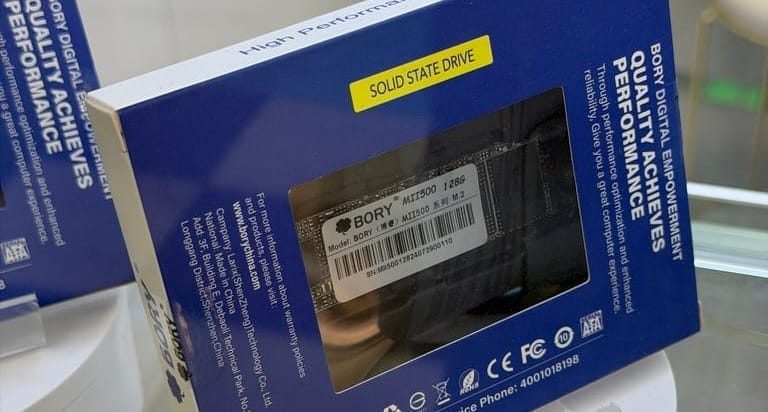
Undeterred, I spent a day walking around Huaqiangbei in Shenzhen - the largest electronics market - gathering lists of all the memory modules I could see and who made them. If I couldn't find out online who manufactures domestic memory, I could find out by looking at what Chinese buyers were trading.
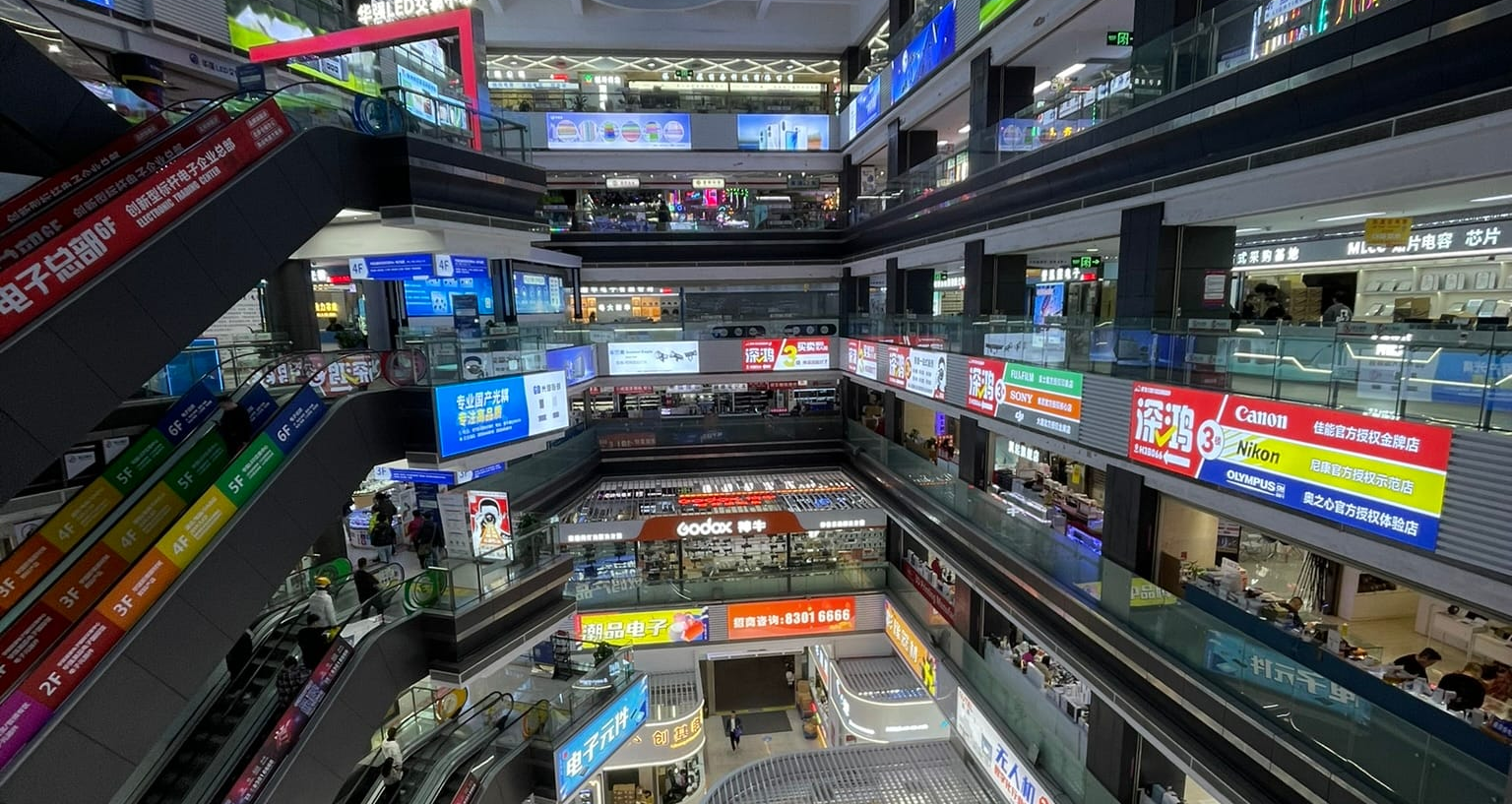
Week 2: Learning How China Really Works
I met with a trusted advisor who explained the role of agents in Chinese sourcing. It's very common for companies to use an agent, even the largest multinationals. He told me that even Intel requires domestic PC manufacturers to go through agents, despite these firms purchasing in enormous volumes.
Then came a cultural lesson. In Asian business culture, you cannot simply email someone and ask to buy something. Email is not preferred. If you email, you probably won't get a reply. And if you try to call them, they probably won't speak English. So how do you contact them? Relationship first, WeChat second.
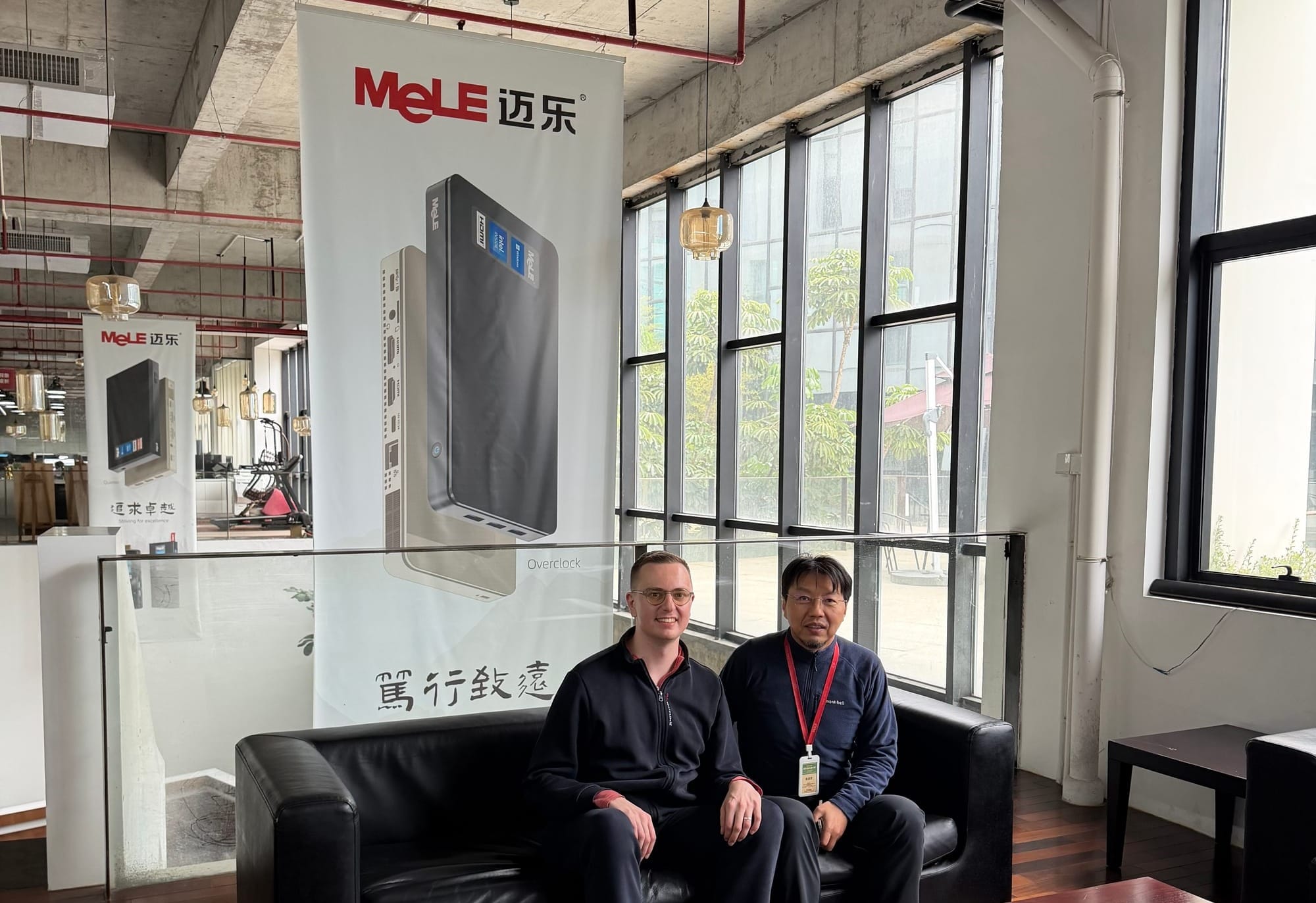
Your best chance of success is a personal introduction. Failing that, you to have to find their WeChat account. But this is nearly impossible if you don't know how to search Chinese directories, which usually require a Chinese phone number and an understanding of how to navigate platforms that are entirely in Mandarin... Often you end up talking to a support bot, not a sales person. And even when you find a WeChat ID, there is no guarantee they will reply.
After a few days, I found the name of the person I needed to speak to at one of the largest domestic players, but the conversation was very different from what I'd experienced before. With every other supplier I've met in China, we would go for dinner and drinks. But with this memory crisis, the market dynamics had shifted. It was a short conversation over WeChat, with no interest in meeting me and no desire to offer competitive pricing. I was quoted $250 for a product that six months ago cost less than $50.
Week 3: Finding the Right Partner
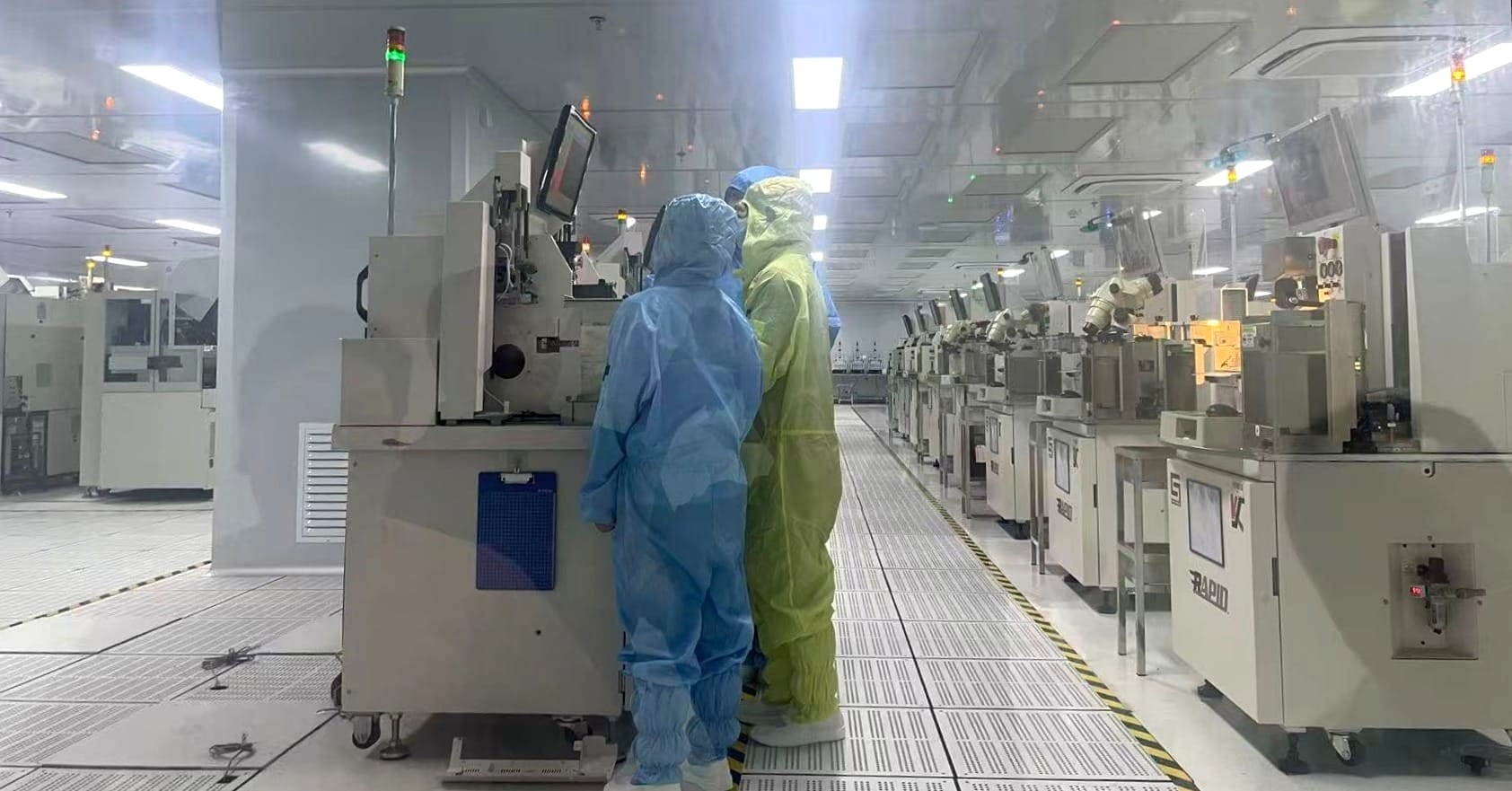
After many days of research and no response from major players, I found another OSAT who was prepared to take my meeting. It was an hour's drive from my hotel, and as I was driven there, I kept wondering how this meeting would turn out. I'd already been rejected by multiple large players, and been quoted pricing higher than the UK. But I was determined to talk to every company I could.
The meeting focused on sharing how they expertly understood pricing dynamics, and how they played the volatile situation. They explained that pricing changes twice a day, and that they are highly selective over who can and cannot purchase their product. They purchase in bulk, and time the sales to maximise their returns.
The majority of their memory is sold at retail, under their brand. But for customers prepared to purchase their daily output, you can buy direct, at wholesale pricing. But that wasn't all. If I delayed, the price would go up, and I would have to pay by close of play. If I hesitated, the price would increase 20% per day. Despite costing 3-4x what the same product cost 6-months ago, I left that meeting paying 37% less than UK supplied wholesale memory.
Don't Apply Western Methods to Asian Sourcing
If there's one thing this trip reinforced, it's this: you cannot simply apply Western methods to Asian sourcing. You will fail, and you will overpay.
Building relationships takes time. Understanding how industries actually work, who makes what, who sells to whom, how decisions are made, requires being on the ground. It requires dinners, factory visits, WeChat conversations at odd hours, and a willingness to learn. It's taken me three years to grasp even the basics, and I'm only at the beginning.
Because of my sourcing strategy, Computle has been able to freeze prices for our customers, despite massive increases in RAM and storage modules. We absorbed the cost because predictability matters. When you subscribe to Computle, you're not just purchasing a workstation. You're purchasing certainty.
Computle delivers powerful workstations as a subscription service. Learn more at Computle.com.